
Revolutionizing Reforestation: Insights from Dr. Vinitaa Apte on Sustainable Eco-Restoration
Reforestation often brings to mind a simple image: a person planting a young tree in freshly dug soil. This hopeful picture has driven many conservation efforts worldwide. Yet, the reality of restoring forests is far more complex and demanding. Dr. Vinitaa Apte, a leading expert in eco-restoration in India, reveals that successful reforestation requires much more than planting seedlings. Her approach focuses on understanding the land’s needs and nurturing mature trees to ensure long-term survival and sustainability.

Why Traditional Tree Planting Often Fails
Many environmental projects emphasize the number of trees planted rather than their survival or the health of the ecosystem. Tree planting events are popular for their visual appeal and social impact, but they often overlook critical factors such as soil quality, water availability, and protection from fire or grazing animals. As a result, many saplings die within the first few years, wasting resources and giving a false impression of progress.
Dr. Apte points out that good intentions alone cannot restore nature. The focus must shift from quantity to quality. Instead of asking how many trees can be planted, the question should be what the land requires to support life sustainably. This change in perspective is essential for true conservation and long-term success.
The Science Behind Sustainable Eco-Restoration
Dr. Apte’s team begins every project with a detailed survey of the land. They assess soil conditions, water availability, and existing vegetation. This groundwork informs the design of the restoration plan, which includes:
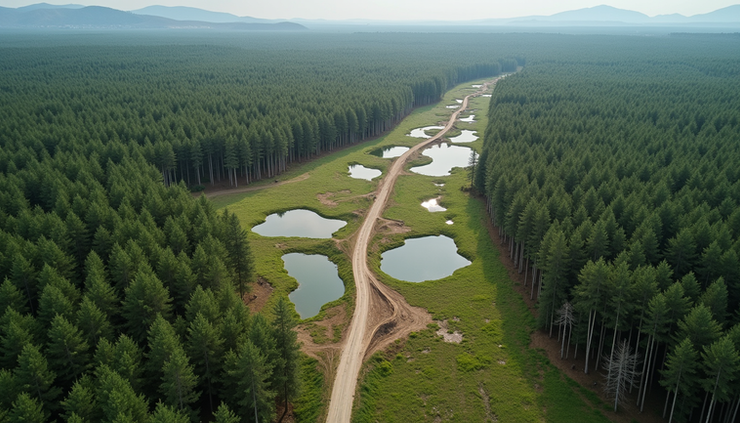
Digging ponds to collect and store rainwater
Building irrigation systems to support trees during dry periods
Creating fire protection lines to prevent damage from wildfires
Selecting indigenous tree species that are naturally adapted to the local environment
Instead of planting fragile seedlings, the team transplants 15-foot tall indigenous trees. These mature trees have established root systems, making them more resilient to harsh conditions and increasing their chances of survival dramatically.
This method has resulted in a 95% survival rate, even on barren and degraded lands where traditional tree planting would likely fail. The success comes from applying scientific knowledge with patience and care, rather than rushing to meet superficial targets.
Practical Lessons for Conservationists
Dr. Apte’s approach offers valuable lessons for anyone involved in reforestation or conservation:
Understand the ecosystem first: Restoration must be tailored to the specific needs of the land, not based on generic planting goals.
Invest in infrastructure: Water management and fire protection are critical components that support tree growth and ecosystem recovery.
Use mature plants when possible: Transplanting larger trees improves survival rates and accelerates forest development.
Prioritize indigenous species: Native trees support local biodiversity and are better suited to the environment.
Commit to long-term care: Restoration is a slow process that requires ongoing attention beyond the initial planting.
These principles challenge the common narrative that reforestation is quick and easy. Instead, they highlight the importance of rigorous, science-based work that respects nature’s complexity.
Changing How We See Reforestation
The work of Dr. Vinitaa Apte and her team redefines what reforestation means. It is not about planting as many trees as possible in a short time. It is about restoring ecosystems in a way that supports sustainability and conservation goals for decades to come.
This approach requires patience, resources, and a willingness to do the unglamorous work that does not make headlines but makes a real difference. For conservationists, this means advocating for projects that prioritize ecological health over quick wins.
By focusing on the land’s needs and using mature trees, eco-restoration can transform degraded areas into thriving forests that support wildlife, regulate climate, and provide benefits to local communities.
Moving Forward with Real Impact
Reforestation efforts must evolve beyond symbolic tree planting. Dr. Apte’s model shows that effective restoration is possible when science guides action and when the goal is to build resilient ecosystems, not just increase tree counts.
Conservationists and environmental organizations can learn from this example by:
Supporting projects that include thorough land assessments
Encouraging the use of mature indigenous trees
Promoting infrastructure investments for water and fire management
Educating the public about the realities of sustainable reforestation
The future of nature depends on how well we restore damaged landscapes today. By embracing these insights, we can ensure that reforestation contributes meaningfully to global conservation and sustainability efforts.


Google indexing pages is an essential part of making a website visible in search results. After Google's crawlers discover a page they evaluate its content, structure, and relevance before deciding whether to include it in the search index.
The overall presentation reflects a commitment to providing products that combine everyday functionality with gigglesforkids appealing designs. For families searching for trusted children's essentials in one place, Giggles for Littles offers a pleasant and user-friendly shopping experience.
A shop that consistently delivers delicious chocolates with excellent presentation creates lasting impressions best chocolate in kuwait and encourages customers to return whenever they want to enjoy something special or surprise someone with a memorable gift.
Regular maintenance prevents overgrown branches from interfering with structures, utility lines, and tree service kansas city mo walkways while promoting stronger, healthier growth. Professional arborists also assess tree health, identify diseases, and recommend appropriate treatments before problems become severe.
Estate sales often require thoughtful planning and experienced guidance making companies like Best Estate Services valuable resources for homeowners and families.